Is it the opener, or is it the door?
An opener only guides the door. The springs do the lifting. When the door gets heavy because a spring broke or the door is out of balance, the opener strains, stops partway or reverses, and it looks like an opener problem. Replacing the opener in that situation fixes nothing, and the new one wears out early.
Quick test: pull the red release cord with the door fully closed and lift the door by hand. If it lifts smoothly and stays put at about halfway, the door is fine and the opener is the issue. If it is heavy, slams down or will not move, stop and call us, because you probably need spring repair, not a new opener.
Garage door sensor repair: why the door will not close
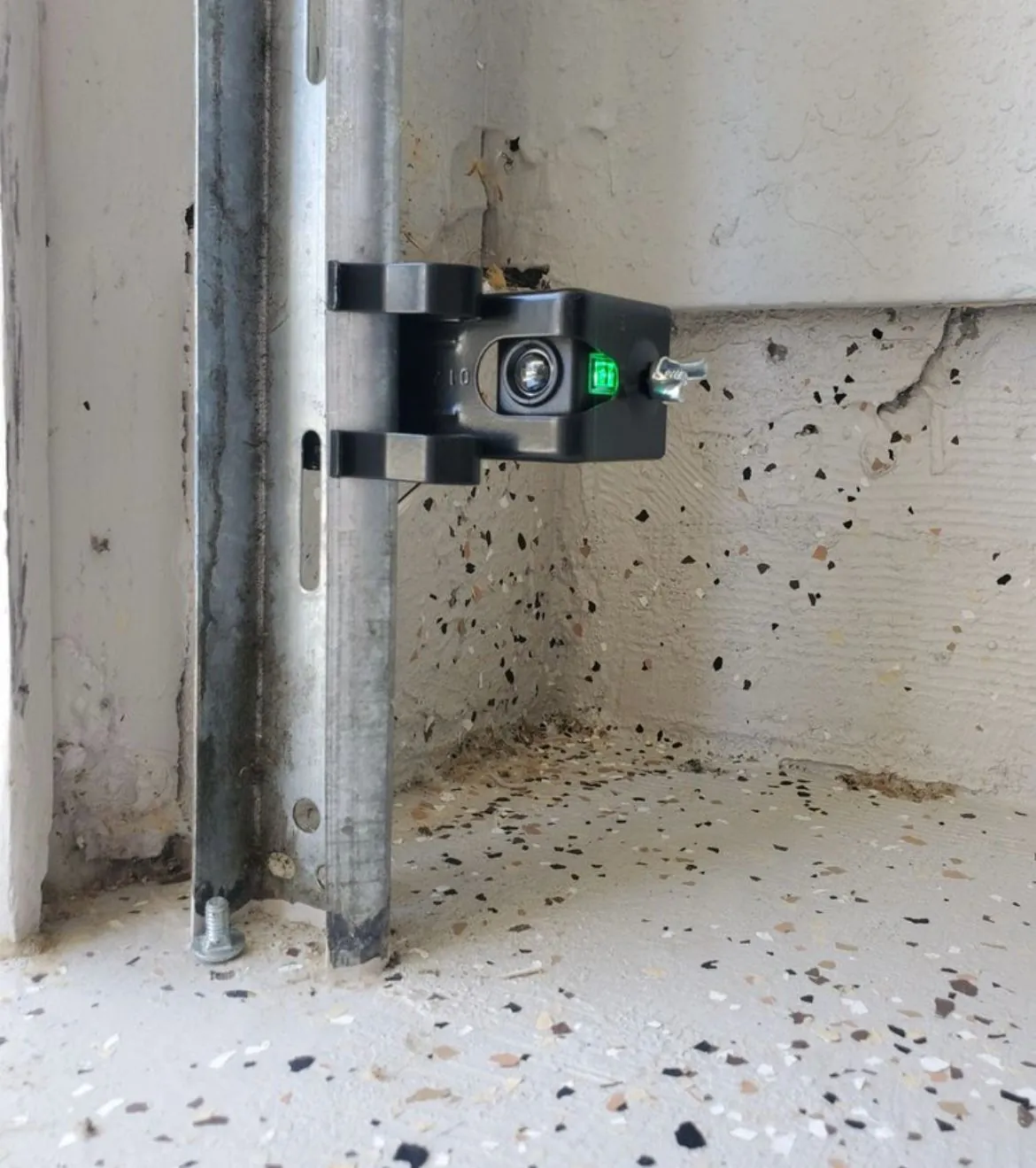
Since the 1990s, residential openers in the US have been built with photo eye safety sensors near the floor on each side of the door. One sensor sends an infrared beam and the other receives it. If anything breaks the beam, or the opener cannot see it, the door will not close and usually reverses or the opener lights flash.
Most sensor problems are simple: a bumped bracket, a dirty lens, a spider web, a recycling bin in the way, or low afternoon sun shining straight into a receiver on a west-facing garage. Others are a cut wire or a failed sensor. We clean, realign or replace the sensors and secure the wiring so it stays fixed.
- Both sensor lights steady: the beam is aligned.
- One light blinking or off: misaligned, blocked or wiring problem.
- Door only closes while you hold the wall button: a sensor fault.
- Never tape over or remove the sensors to force a close.
Need help with your opener repair? Free estimate, price before work.
Remote, keypad and car button programming
If the wall button works but the remote does not, start with a fresh battery in the remote. If that does not help, the remote may have lost its pairing, or it may not be compatible with the radio system in your opener. Openers from different years use different radio codes, which is why an old remote sometimes cannot be paired with a newer opener.
We program remotes, wireless keypads and built-in car buttons, and we clear the opener memory when you move into a new home, so remotes from previous owners stop working. If your opener is old enough that new remotes are hard to find, we explain your options, including adding a smart control or replacing the opener.
Opener hums, clicks or runs without moving the door
A hum with no movement often means the motor is getting power but cannot turn: a failed start capacitor, a jammed door, or a door made too heavy by a broken spring. A click with nothing else can point to the logic board or a relay. A motor that runs freely while the chain or belt sits still usually means a stripped drive gear or sprocket.
Those are all repairable on many openers. Drive gears and sprockets wear out over years of use, and replacing them brings the opener back to life. We tell you the cost of the repair and what a new opener would involve, and if your unit is old and parts are scarce we say so before you spend money on it.
Genie, Chamberlain and LiftMaster opener repair
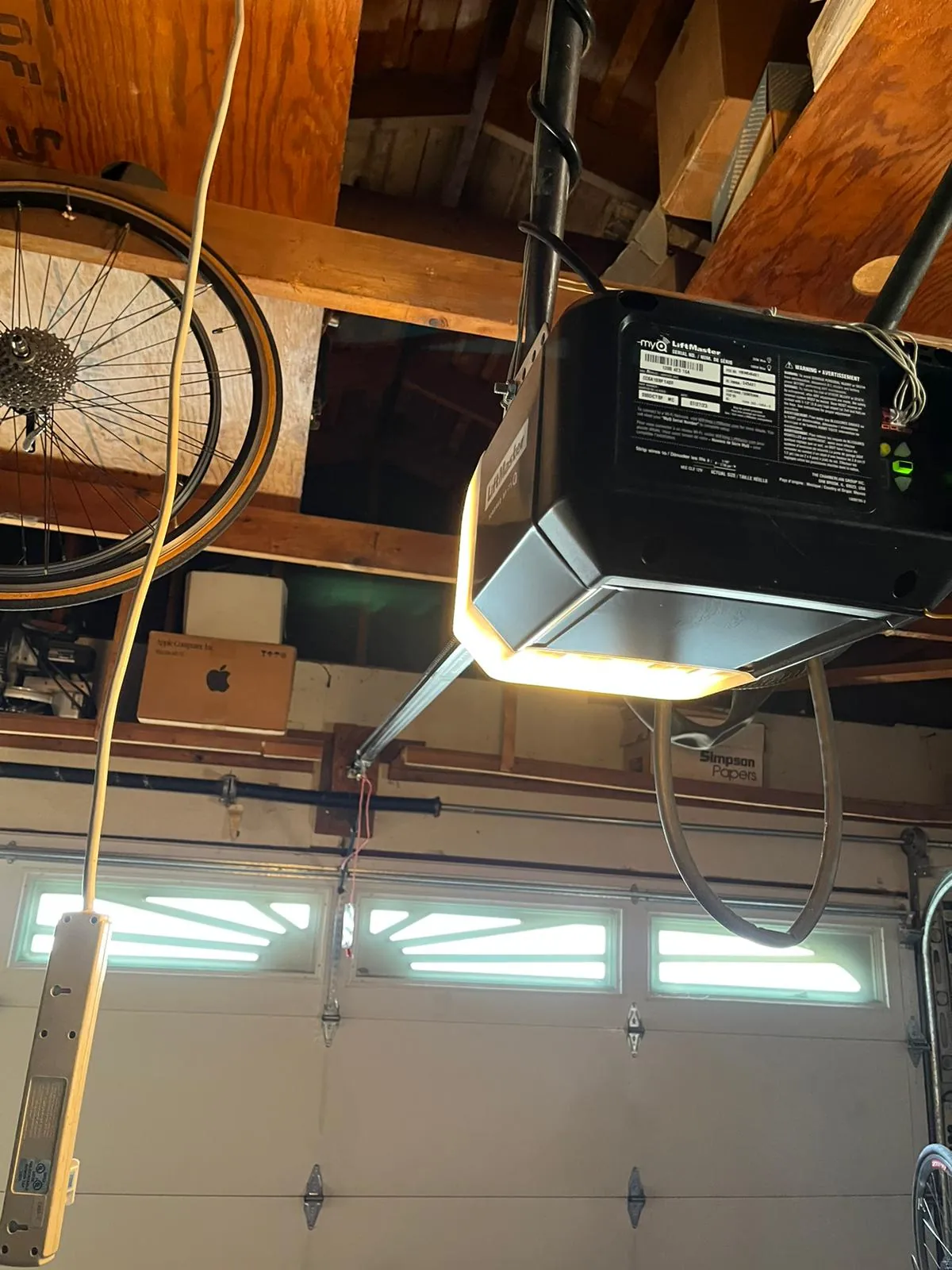
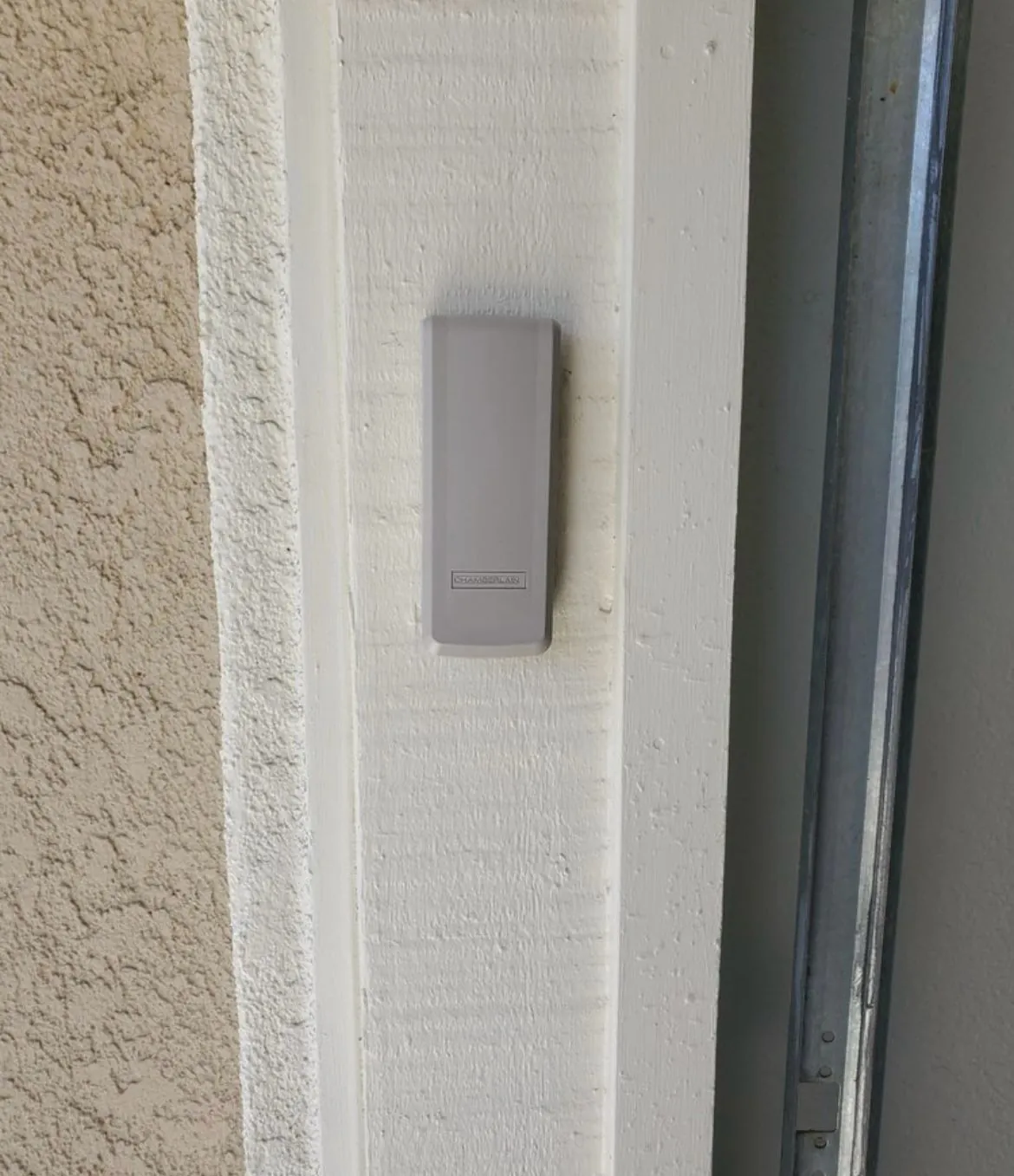
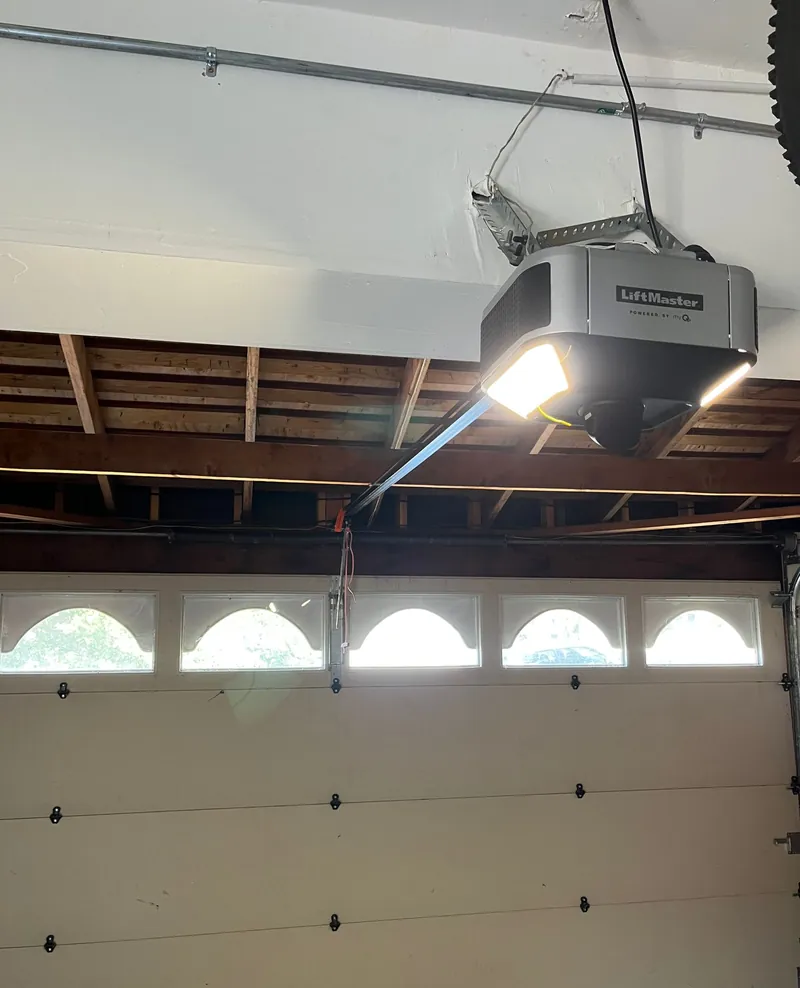
We repair the opener brands most common in Austin garages, including Genie, Chamberlain and LiftMaster, along with other residential models. Genie openers often use screw drive or chain drive rails and their own remote systems. Chamberlain and LiftMaster openers share a lot of design, including the myQ smart platform on many newer units.
The repair process is the same for every brand: test the opener, test the door, find the failed part, give you the price and fix it. We are independent of every opener manufacturer, so our advice is about your door, not about selling one brand. For LiftMaster specifics, see LiftMaster opener repair.
Need help with your opener repair? Free estimate, price before work.
How Austin heat affects garage door openers
An attached garage in an Austin summer can stay hot well into the night, and the opener sits near the ceiling where the air is hottest. Electronics and plastic gears age faster in that heat, and a motor working against a stiff, poorly lubricated door runs hotter still. Openers that cut out on summer afternoons and work fine in the morning are a common call.
Storms add another stress. Power surges and outages can damage logic boards, and lightning season brings more dead openers after a storm. Keeping the door balanced and lubricated reduces the load on the motor. A maintenance visit covers both, and a surge-protected outlet is a cheap way to protect the board.
Repair the opener or replace it?
Repair makes sense when the opener is in good shape apart from one worn part, like a gear, sensor, capacitor or wall control, and parts are still available. Most openers we see are repairable, and a repair is usually the faster, cheaper choice.
Replacement makes sense when the opener is old, has no modern safety or security features, needs a logic board and a motor, or simply cannot keep up with a heavy door. A new opener can also add a quiet belt drive, battery backup and phone control. We give you both prices and let you choose. See garage door opener installation for the options.
How the visit goes
Most calls follow this order. Times are typical ranges, and we confirm the arrival window when you call.
| Step | Typical time | What happens |
|---|---|---|
| You call | A few minutes | Tell us what the opener is doing. We may walk you through a quick sensor or remote check that solves it on the phone. |
| Diagnosis | About 15 minutes | We test the opener, sensors, remotes and wall control, and check the door balance with the opener disconnected. |
| Free estimate | A few minutes | You get the repair price, and the replacement price if it is worth comparing, before any work starts. |
| Repair | About 30 to 90 minutes | Sensors, gears, boards, remotes or wiring repaired. Door hardware adjusted if it was causing the strain. |
| Test and walk-through | About 10 minutes | Force, limits, auto-reverse and sensors tested. Remotes and keypads programmed and shown to you. |